
What a 16-year-old reminded me about change
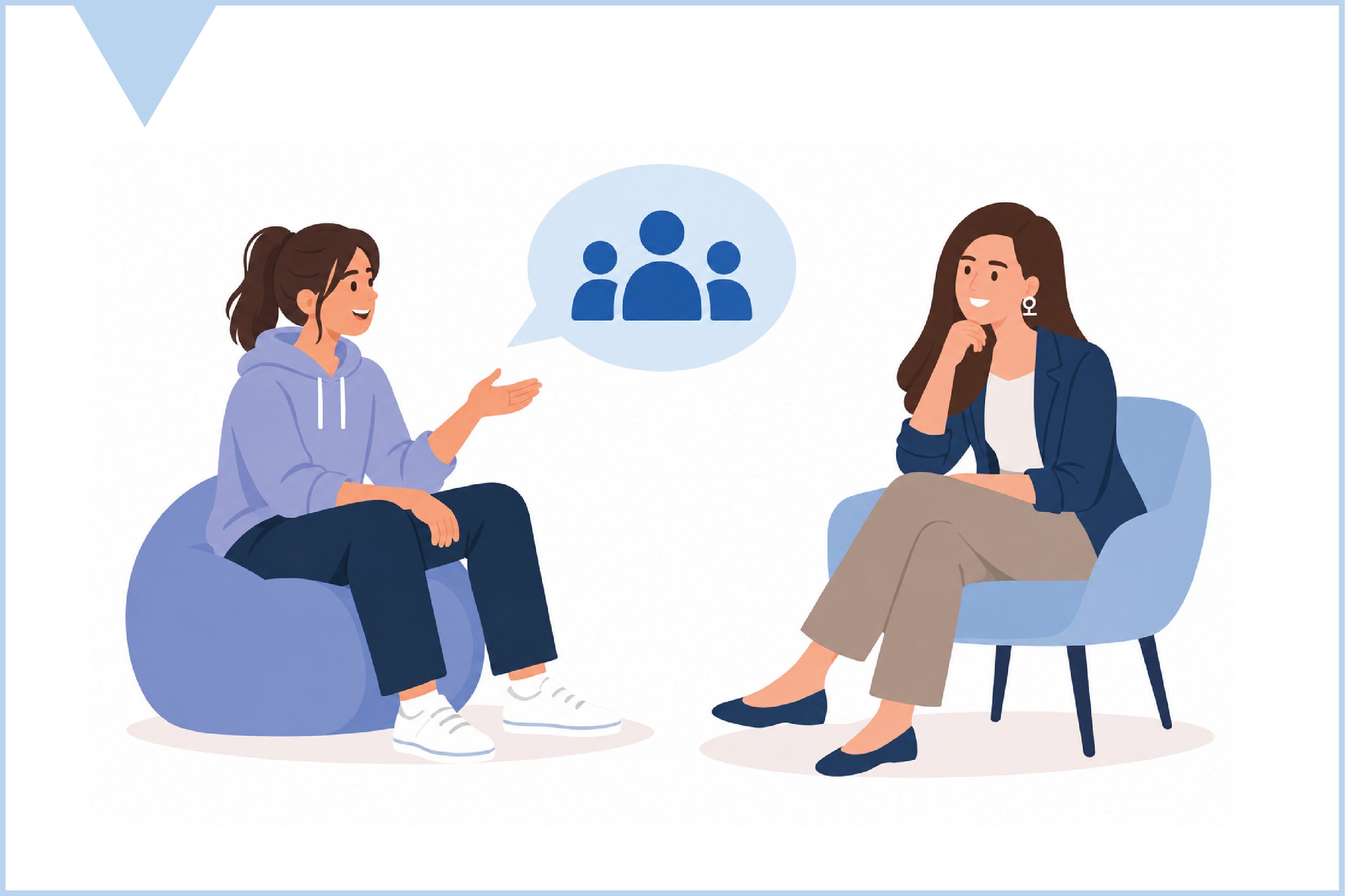
A little while ago, a 16-year-old asked me what I did for work.
I told her I was a change manager and, as anyone who works in change will understand, immediately prepared myself for the follow-up question:
“What does that mean?”
I tried to explain it without using any of the language we normally use within our profession. No frameworks, methodologies, stakeholder groups or adoption measures.
I simply said that we help people understand, navigate and adapt when something changes at work.
She thought about it for a moment and replied:
“So… you’re basically a social worker for organisations?”
I laughed.
The comment later became a LinkedIn post that unexpectedly received more than 100,000 impressions. But the number was never the part that interested me most.
It was the fact that, in one sentence, a 16-year-old had stripped away much of the complexity surrounding organisational change and brought it back to something very human.
When you know too much
One of the challenges of working on any project is that eventually you become incredibly familiar with it.
You know why the change is happening. You know the decisions that have been made along the way. You understand the terminology, the timeline, the dependencies and the intended future state.
You have often spent months sometimes years discussing it.
By the time the change reaches the people who will actually experience it, the project team has had an enormous head start. What feels obvious from inside a project can feel completely different to someone encountering it for the first time.
They are unlikely to experience the change as a workstream, milestone or implementation plan. They experience it through what happens when they arrive at work.
A system looks different. A process takes longer. An approval has moved. A responsibility has changed. Something they have done one way for years now needs to be done another way.
The project might call that the future state. For the person doing the work, it might simply be Tuesday morning.
That is why listening cannot just be a stage in a change plan. It needs to be part of how the change is shaped.
The gap between designed and experienced
This is where I think some of the most valuable change work happens.
We naturally spend a lot of time explaining. We communicate why the change is happening, what is changing, when it will happen and what people need to do.
All of that is necessary.
But communication on its own does not tell us whether the change actually makes sense to the people experiencing it.
For that, we have to get curious.
Instead of only asking, Have we communicated this?, we need to ask different questions.
What are people noticing?
What doesn’t make sense yet?
What has become harder?
What are we assuming?
What have we missed?
The answers can reveal things that no project plan can.
They show us the difference between how a change was designed to work and how it actually works in practice.
They also remind us that the people closest to the work often have information, experience and insight that those designing the change simply do not.
That is why listening cannot just be a stage in a change plan. It needs to be part of how the change is shaped.
Complexity isn't the same as clarity
The conversation also made me think about the language we use.
Change management has plenty of terminology, frameworks and methodologies. They are useful because they give practitioners structure and help us navigate genuinely complex environments.
But the people experiencing change should not need to become change practitioners themselves to understand what is happening.
If somebody needs a glossary before they can work out what we are asking them to do, we may have made our own expertise their problem.
Plain language does not mean pretending change is simple.
Bringing it back to people
The more I thought about the 16-year-old’s description, the more I realised why it had stayed with me.
Organisations do not experience change in the way people do.
People experience it through changed expectations, new behaviours, different systems, unfamiliar processes, uncertainty, frustration, opportunity and the everyday task of continuing to do their job while something around them is shifting.
The point is what happens when the change meets the person.
So no, I probably won’t be changing my job title to “social worker for organisations” anytime soon.
But I have to give the 16-year-old some credit.
Sometimes it is knowing when to stop explaining, ask a better question and genuinely listen to what comes back.